


The Amazing Intelligence of Animals
Updated: Aug 29

The Amazing Intelligence of Animals
Most of us have experienced that unforgettable moment.
A dog seems to know you're coming home before your car even pulls into the driveway. A raven solves a puzzle in seconds that leaves humans scratching their heads. An elephant gently comforts another elephant after a loss. A dolphin invents games simply for the joy of playing. These moments aren't just cute stories—they're reminders that the animal kingdom is filled with extraordinary minds.
For generations, humans often measured intelligence by how closely animals resembled us. Today, scientists are discovering that was the wrong approach. Instead of asking whether animals think like people, researchers are asking how each species has evolved to solve the unique challenges of its world.
The answers are astonishing.
Intelligence Comes in Many Forms
Chimpanzees use tools, teach their young, and even display cultural traditions that differ between groups.
Octopuses can solve complex puzzles, navigate mazes, recognize individual people, and escape enclosures with remarkable creativity.
African grey parrots have demonstrated the ability to identify colors, shapes, quantities, and even understand simple concepts of numbers.
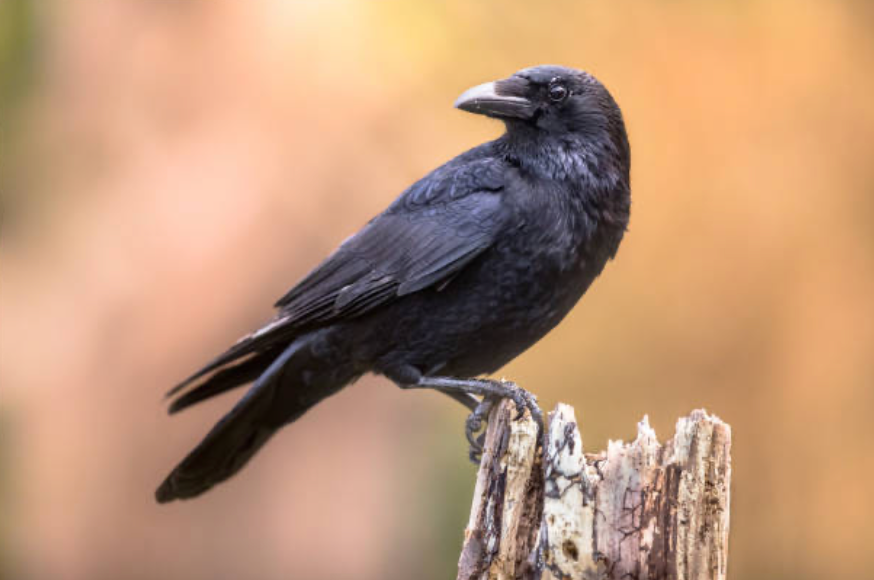
Crows and ravens—members of the corvid family—have repeatedly amazed scientists by planning ahead, crafting tools, and solving multi-step problems that rival the cognitive abilities of some primates.
Rather than one universal definition of intelligence, researchers now recognize that different species possess different kinds of brilliance.
As renowned primatologist Dr. Jane Goodall reminds us: "The greatest danger to our future is apathy."
Her life's work has shown that understanding animals begins with respecting them—not underestimating them.
Animals Experience More Than We Once Believed
Modern research continues to reveal that many animals experience emotions far more deeply than previously understood.
Elephants have been observed mourning their dead. Dolphins help injured companions stay afloat.
Wolves cooperate through sophisticated social structures that depend on communication and trust.
Even rats have demonstrated behaviors resembling empathy by freeing trapped companions instead of choosing an immediate food reward.
These discoveries don't make animals "little humans."
They remind us that intelligence takes many different forms—and every species has evolved remarkable abilities perfectly suited for its environment.
As Dr. Frans de Waal, one of the world's leading experts on animal behavior, famously said: "Anthropomorphism is bad science, but anthropodenial is even worse."
In other words, refusing to recognize intelligence and emotion in animals can be just as misleading as assuming they think exactly like we do.
Nature Is Full of Problem Solvers
One of the most fascinating discoveries in animal science is how often wildlife solves problems creatively.
Sea otters carry favorite rocks to crack open shellfish. Bees communicate the location of flowers through an intricate "waggle dance."
Orangutans carefully build sleeping nests each evening using different branches depending on weather conditions.
Even squirrels appear to deceive other squirrels by pretending to bury food in one location before secretly hiding it elsewhere.
These behaviors aren't random instincts alone—they often involve memory, planning, observation, and adaptation.
Every new study reminds us that the natural world is far more sophisticated than we imagined.
Why This Matters
Understanding animal intelligence changes the way we view conservation.
When we recognize that animals form relationships, communicate, solve problems, and experience complex lives, it becomes easier to understand why protecting them matters.
Wild animals are not decorations.
They are not entertainment.
They are not status symbols.
They are living beings that belong in healthy ecosystems where their remarkable abilities help keep nature in balance.
This is one reason organizations like Animal Tracks are passionate about education.
Every rescued animal becomes an opportunity to inspire curiosity, compassion, and respect for wildlife. When visitors meet these incredible ambassadors up close, they often leave with something even more valuable than a memorable experience—a deeper appreciation for the intelligence woven throughout creation.
Wonder Leads to Stewardship
Perhaps the greatest lesson animals teach us is humility. The more we study them, the more we discover how much we still have to learn.
Whether it's an elephant's memory, a raven's ingenuity, an octopus's curiosity, or a dolphin's cooperation, every species reflects a unique design that deserves our admiration and protection.
At Animal Tracks, that sense of wonder is at the heart of everything we do. Because when people truly understand animals, they're far more likely to protect them. And that may be one of the most intelligent decisions we can make.

Works Cited
Jane Goodall Institute – Jane Goodall's conservation philosophy and educational resources https://janegoodall.org/
Smithsonian Magazine – "The Secret Life of Crows" (tool use, planning, intelligence)https://www.smithsonianmag.com/science-nature/the-secret-life-of-crows-180975505/
National Geographic – Animal Intelligence Collection https://www.nationalgeographic.com/animals
Scientific American – Research on animal cognition and intelligencehttps://www.scientificamerican.com/topic/animal-behavior/
Frans de Waal – Emory University Faculty Profile and Animal Cognition Researchhttps://psychology.emory.edu/home/people/faculty/de-waal-frans.html
Cornell Lab of Ornithology – Corvid Intelligence Research https://www.birds.cornell.edu/home/
Smithsonian's National Zoo & Conservation Biology Institute – Animal Behavior and Cognitionhttps://nationalzoo.si.edu/
National Institutes of Health (NIH) – Comparative Cognition and Animal Behavior Researchhttps://www.ncbi.nlm.nih.gov/


